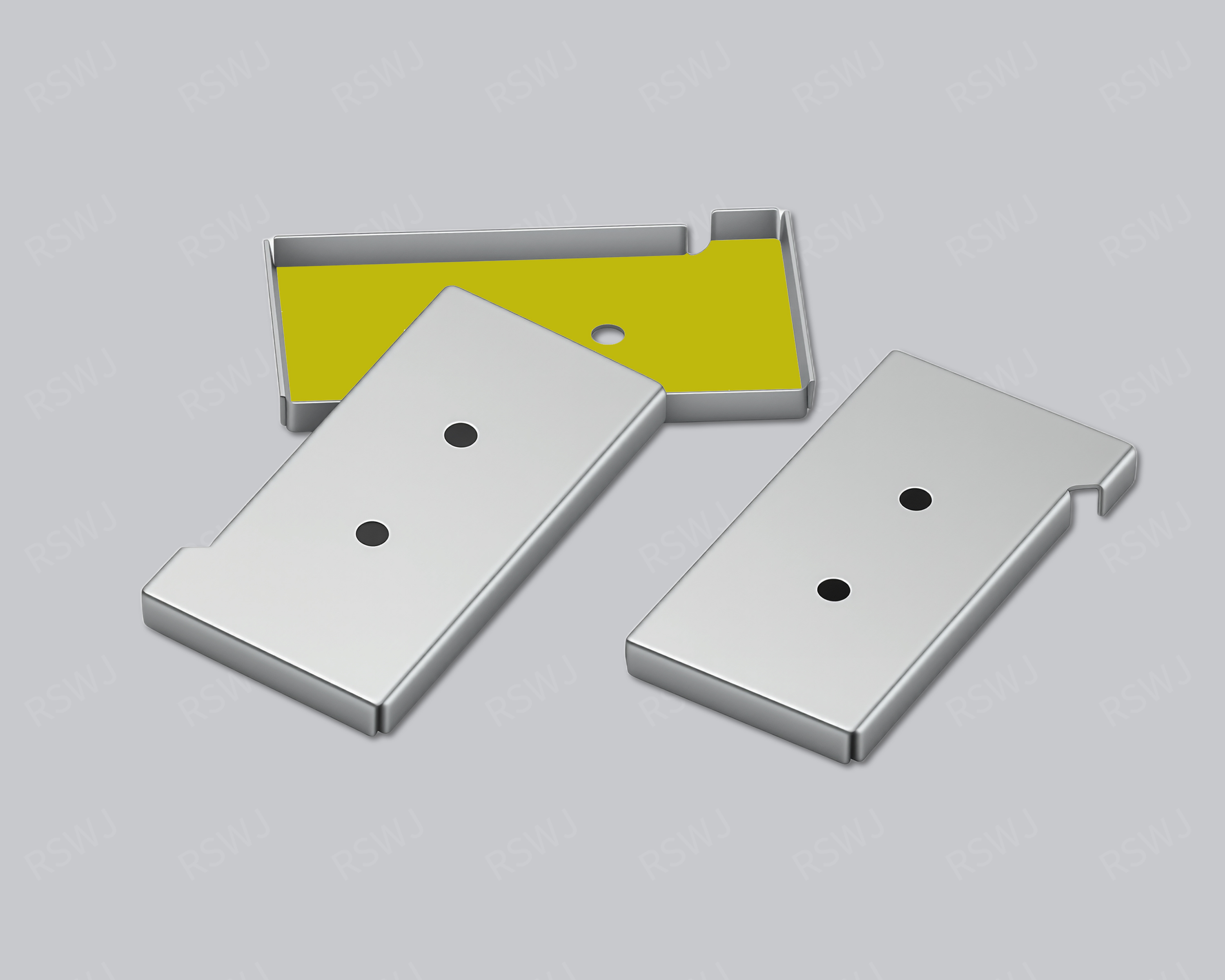
Single-body construction
One-Piece EMI Shield
Define the component clearance, board attachment and assembly sequence around a continuous shield body.
Explore This Product
RUISHUO METAL · SINCE 2009
Shielding cases, frames, lids and precision metal parts. Bring your drawing and assembly requirements to an engineering team that connects design review, in-house tooling and manufacturing.
Ruishuo Metal · Custom Manufacturing
Founded in 2009, Shenzhen Ruishuo Hardware Co., Ltd. manufactures metal shielding parts and precision hardware to customer drawings. Our engineering discussions bring together the structure, material, forming process and inspection requirements.
A single shield body and a removable frame-and-lid assembly raise different questions. We help translate coverage boundaries, attachment points and assembly conditions into a consistent drawing and sample revision for production.
About Ruishuo Metal →
Products & Shield Structures
Explore shielding cases, frames, covers and supporting hardware. Dimensions and specifications are established through the project drawing.
Define the component clearance, board attachment and assembly sequence around a continuous shield body.
Explore This Product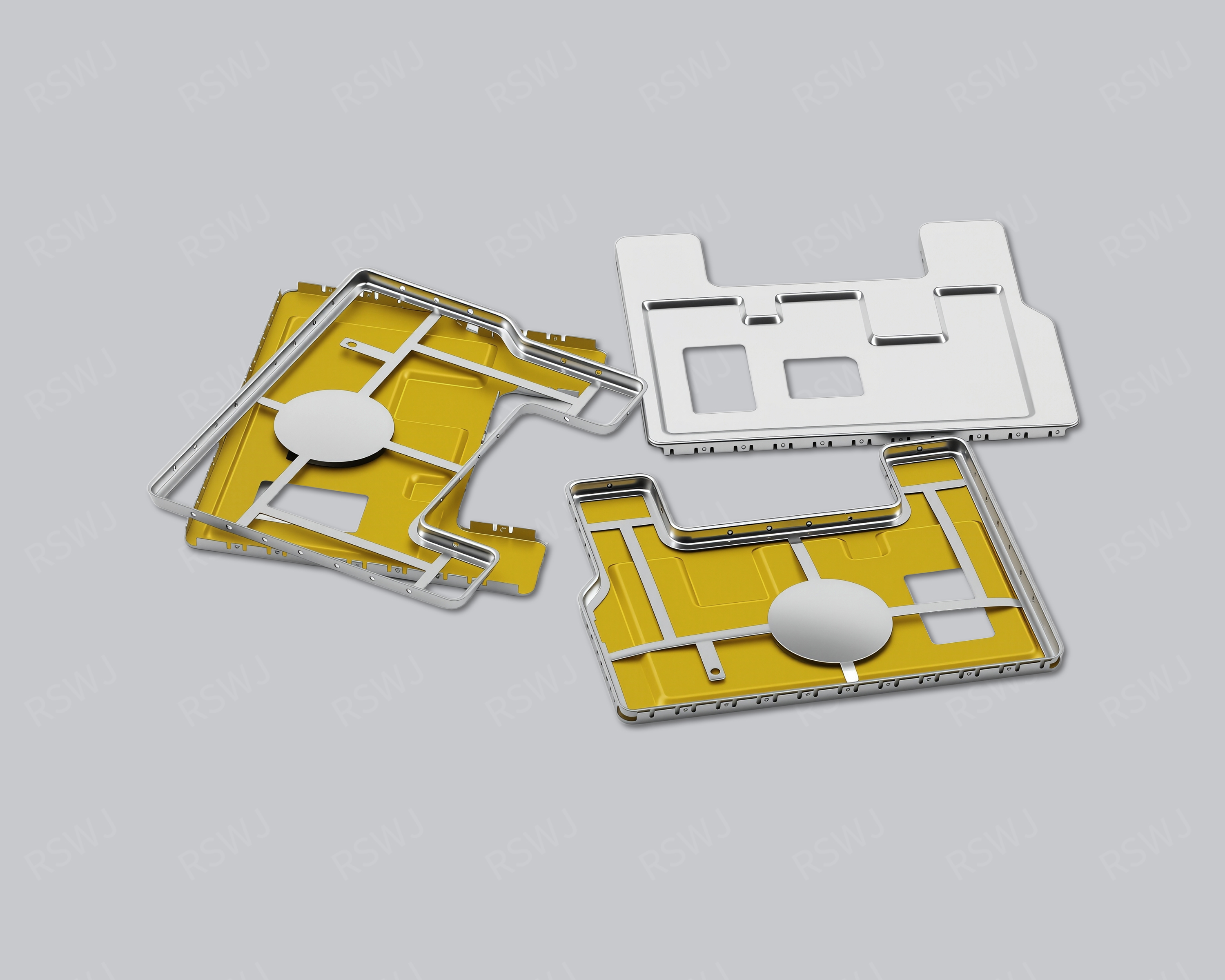
Coordinate the frame, lid engagement and access space for assembly, debugging and maintenance.
Explore This Product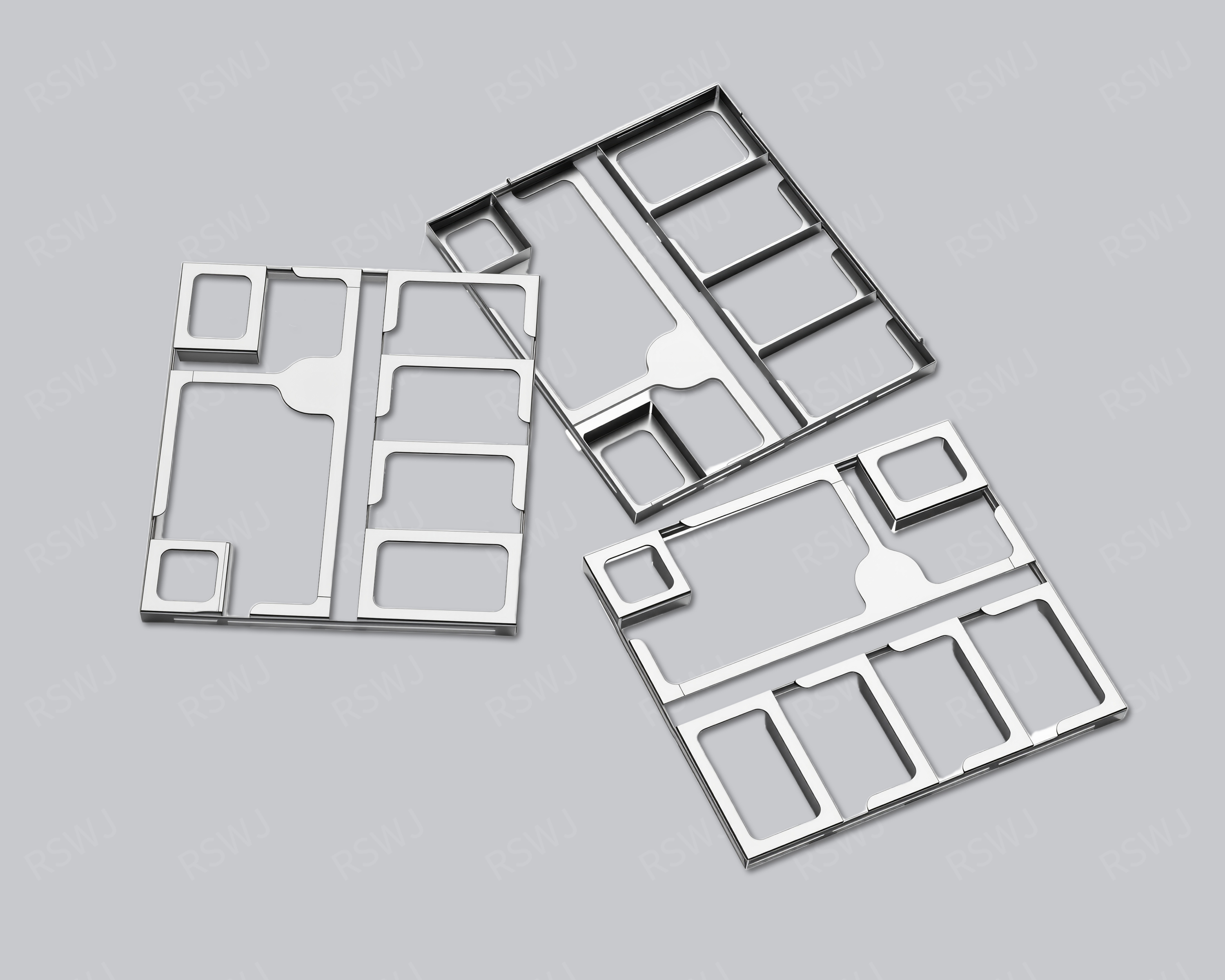
Align partitions and cavities with the circuit layout, grounding interfaces and surrounding components.
Explore This Product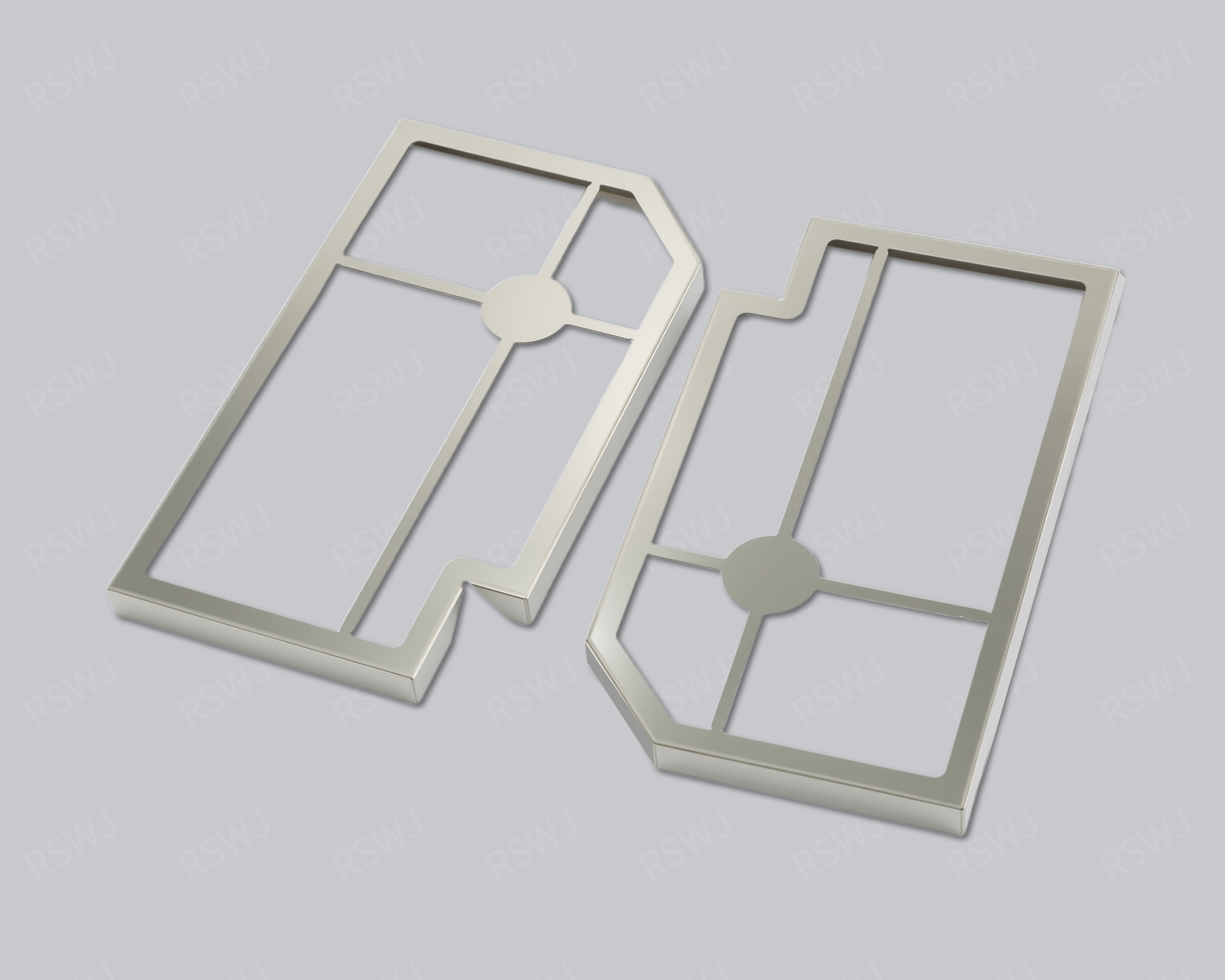
Review attachment boundaries, interface openings and nearby circuits in the context of the RF layout.
Explore This Product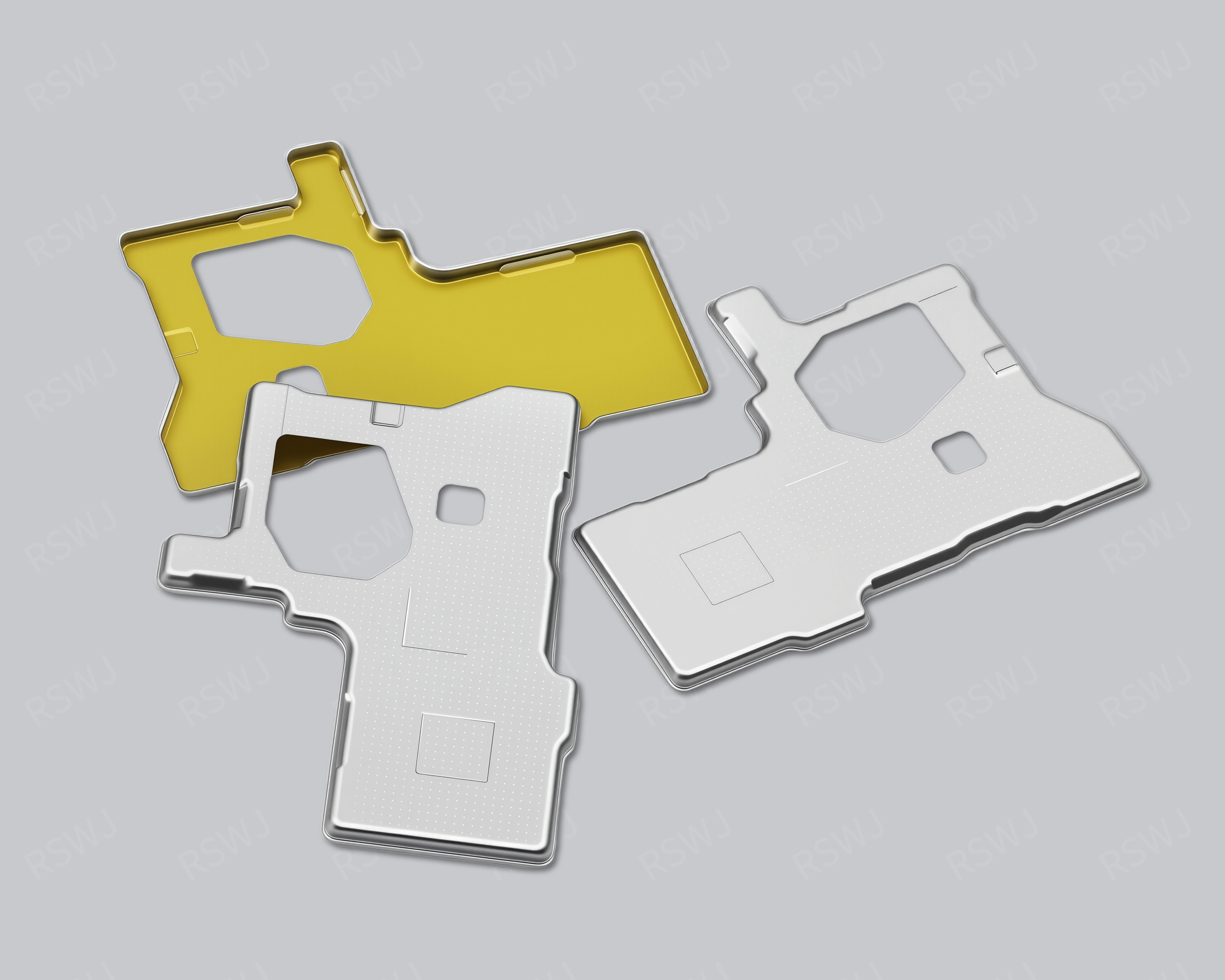
Coordinate the shield envelope with baseband components, adjacent RF circuitry and board mounting features.
Explore This Product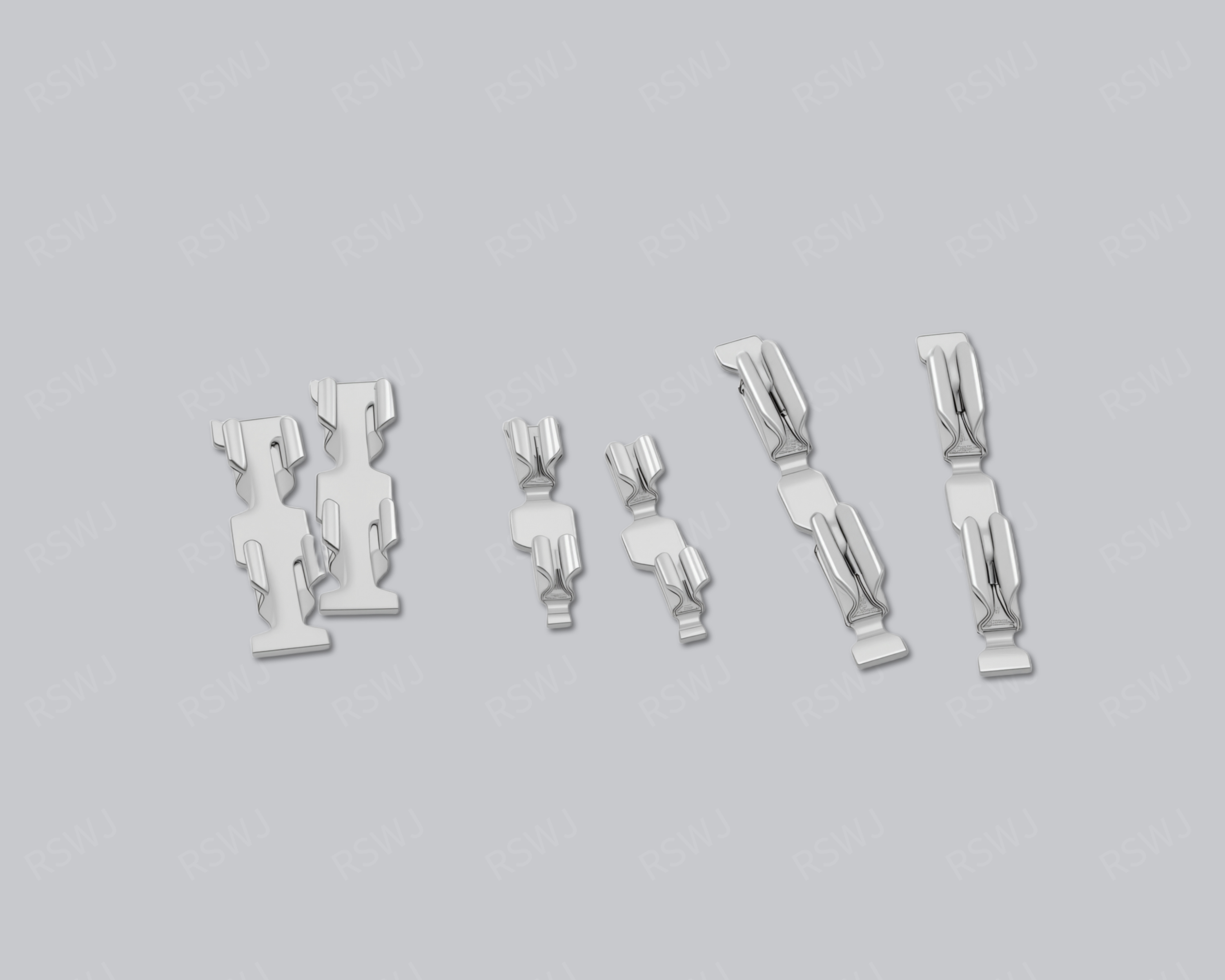
Specify the retained part, contact location and installation method for the complete shield assembly.
Explore This Product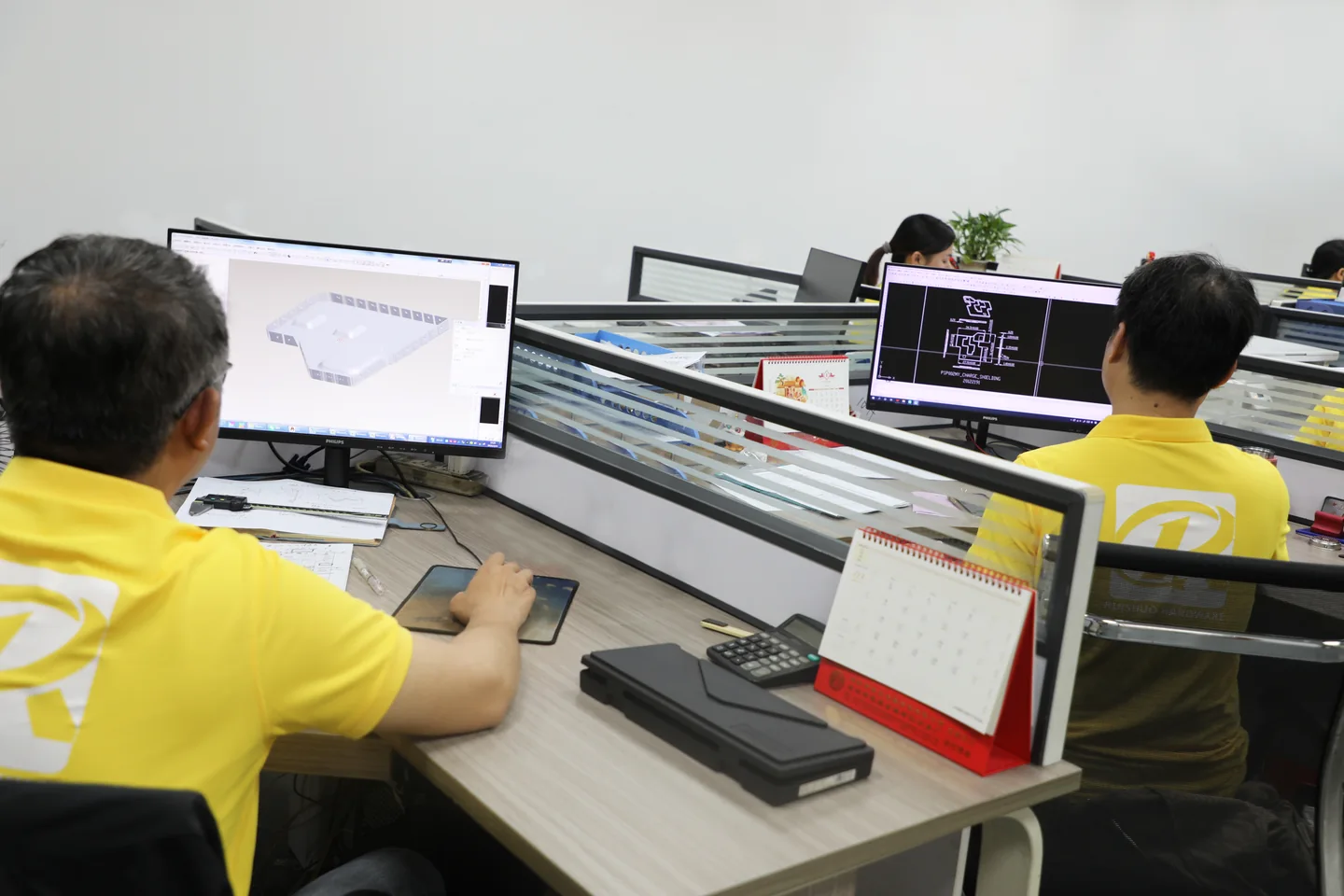
Drawing & Assembly Review
Internal clearance, board grounding areas and attachment methods need to work together. Openings, formed edges, lid engagement and access for maintenance also affect the part definition.
Manufacturing & Inspection
Keep the material, geometry and inspection criteria connected through one approved revision. Production plans are reviewed for the specific project.
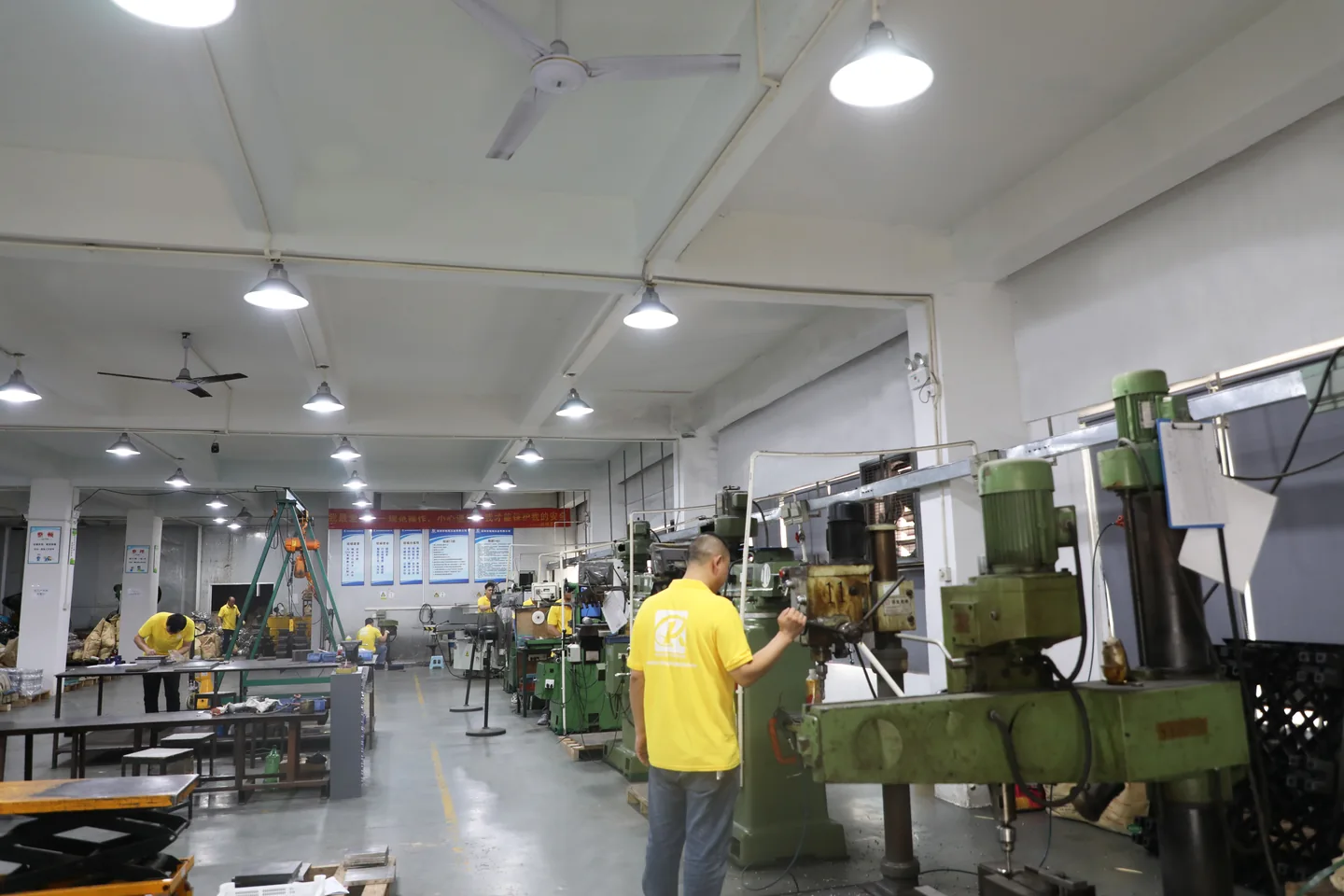
Review the die concept against the part geometry, formed features and critical mating dimensions.
Explore Manufacturing →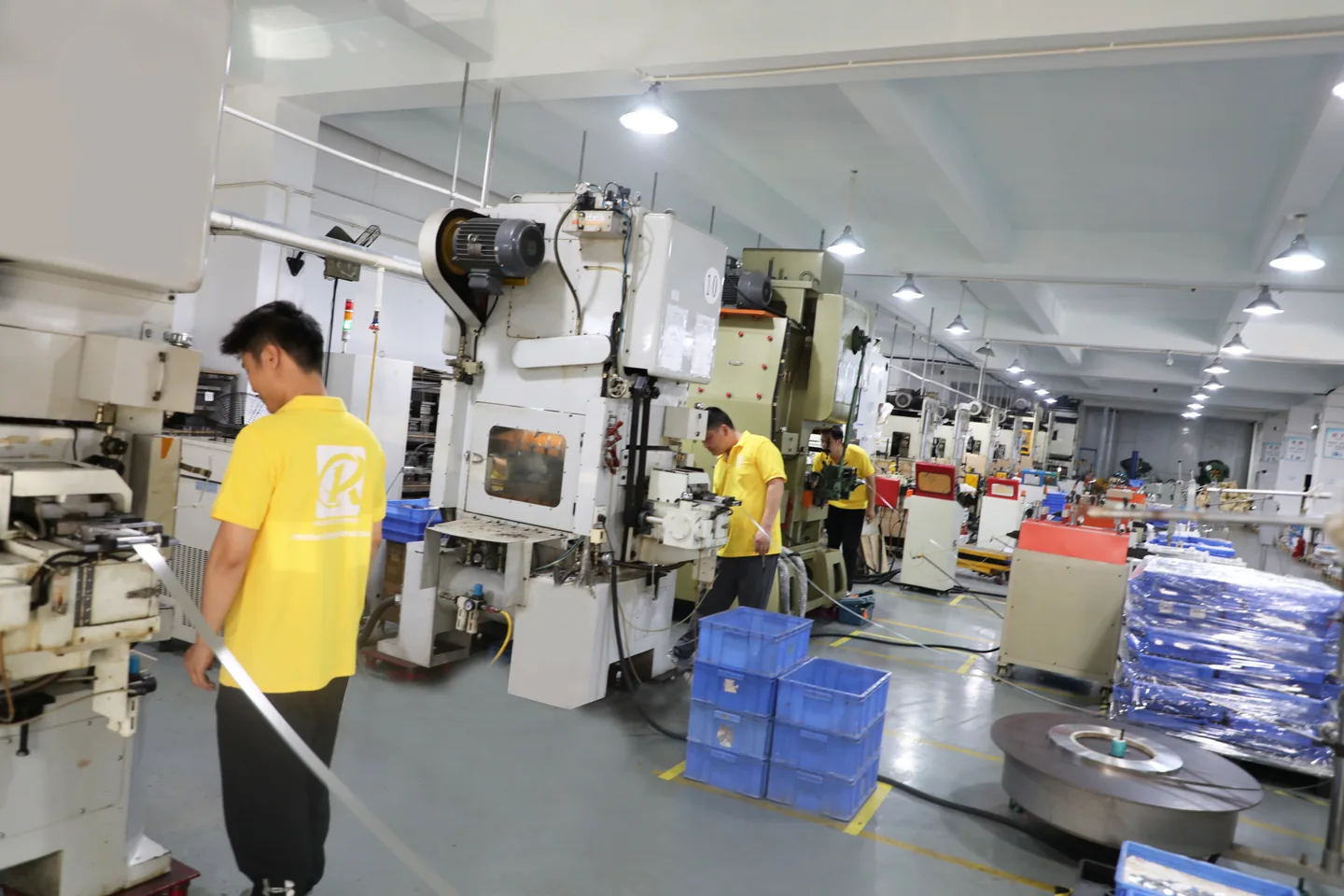
Connect the specified material, drawing datums and part features with a practical forming route.
Explore Manufacturing →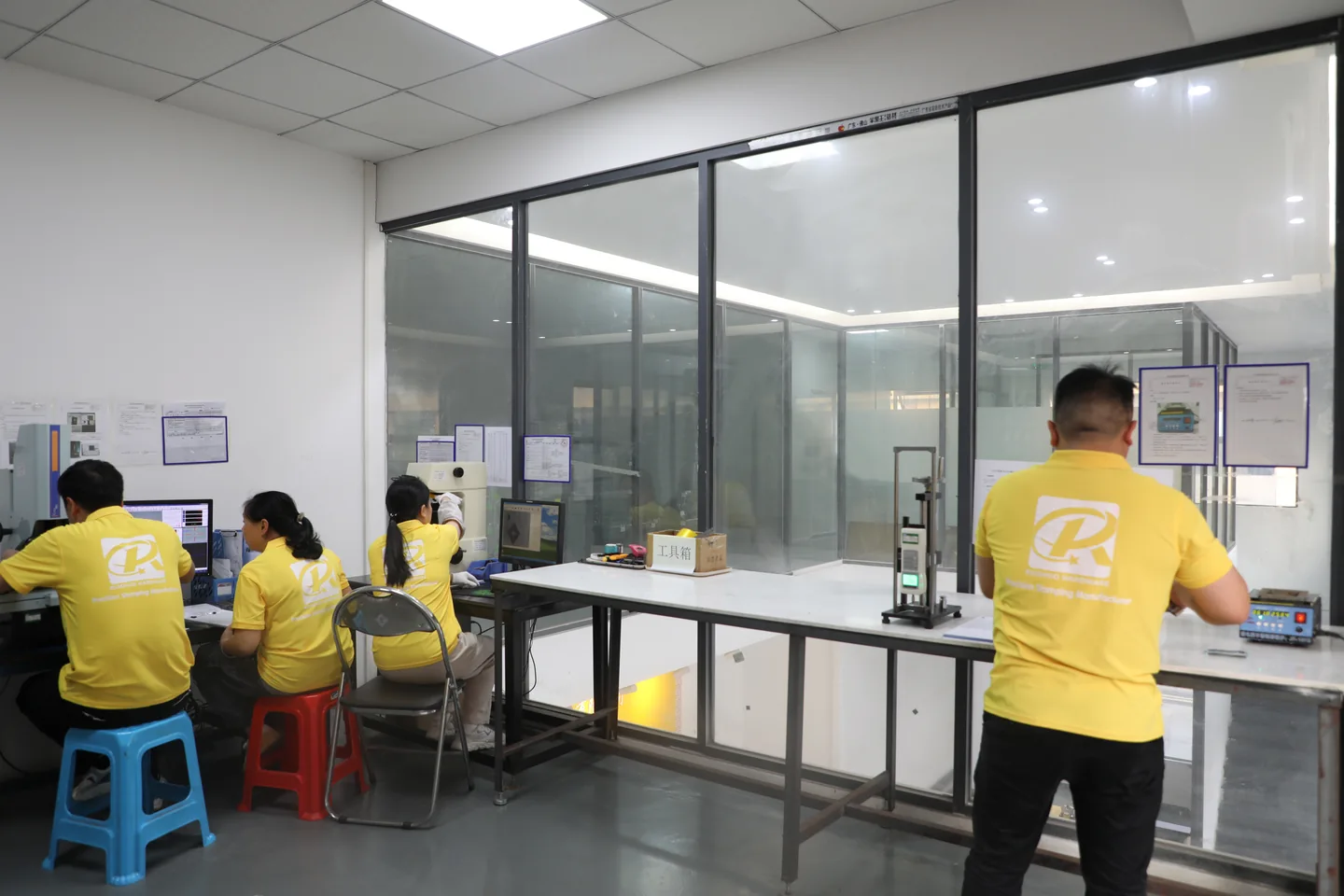
Check the agreed dimensions, edge condition, deformation and frame-to-lid fit.
Explore Manufacturing →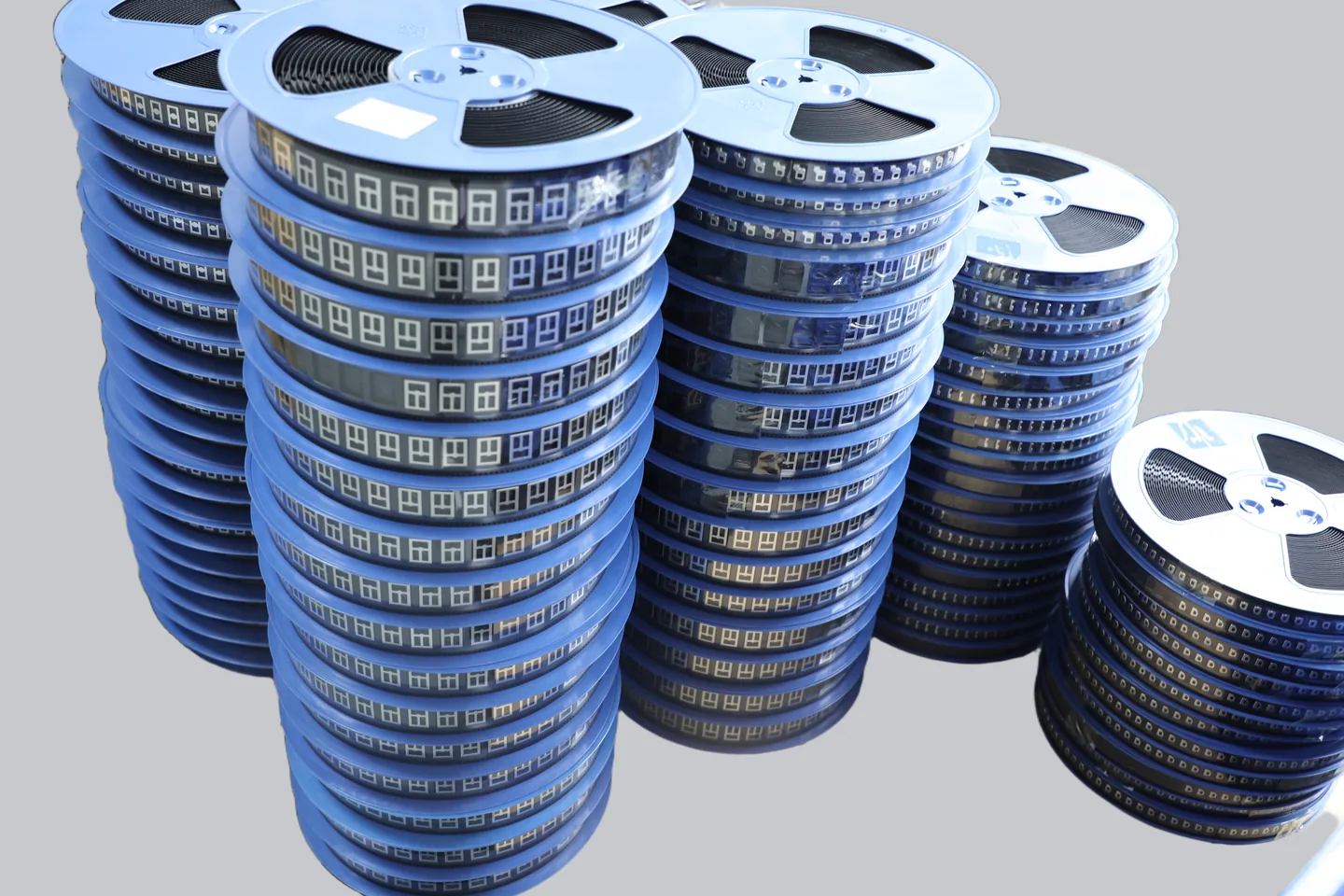
Plan part orientation, handling and surface protection around the next assembly operation.
Explore Manufacturing →In-House Tooling · Design to Formed Part
A die shapes more than the outline. Attachment edges, holes, bends and lid engagement all need to relate to the installed part. Review these features with the assembly conditions so the quality requirements can be checked.
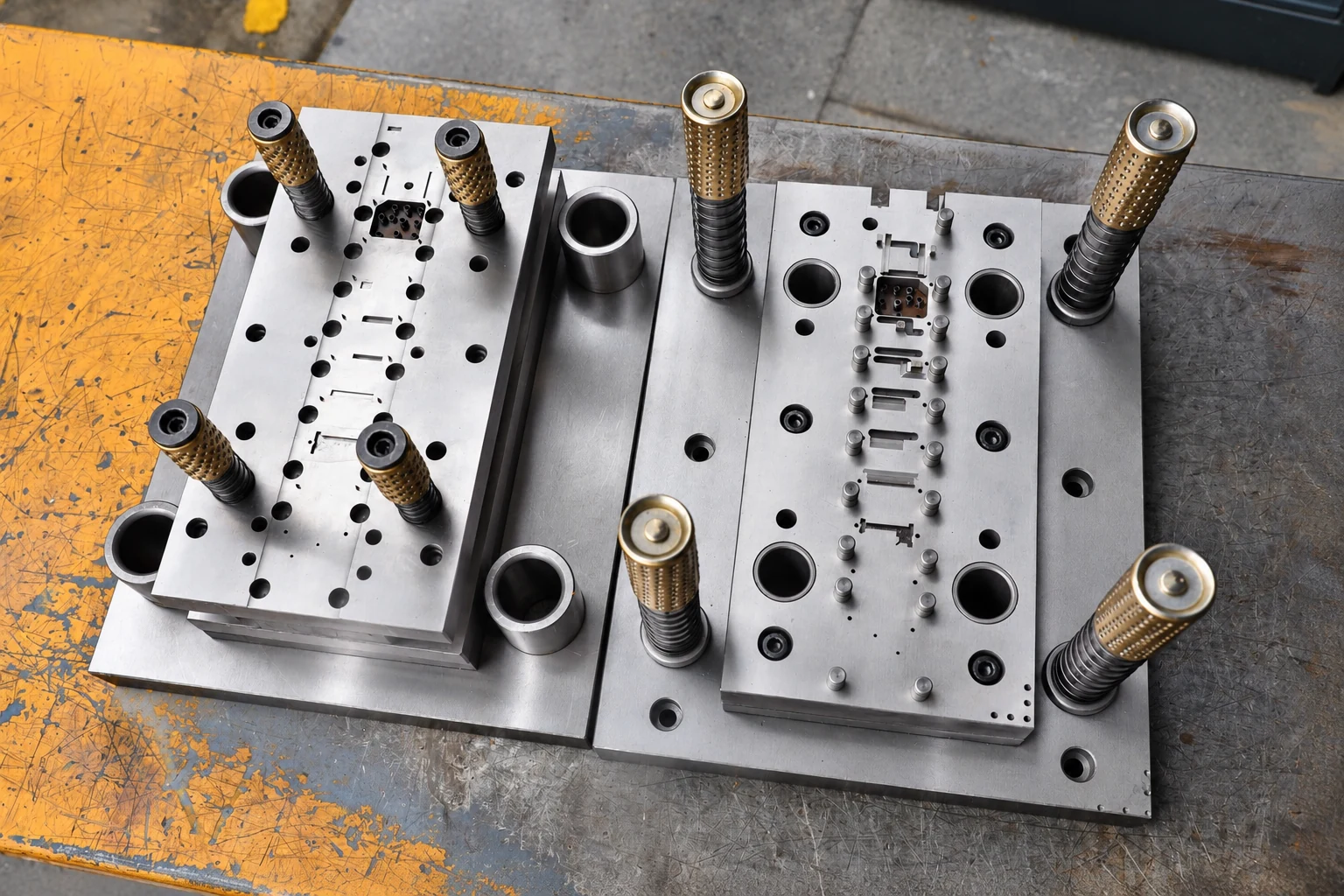
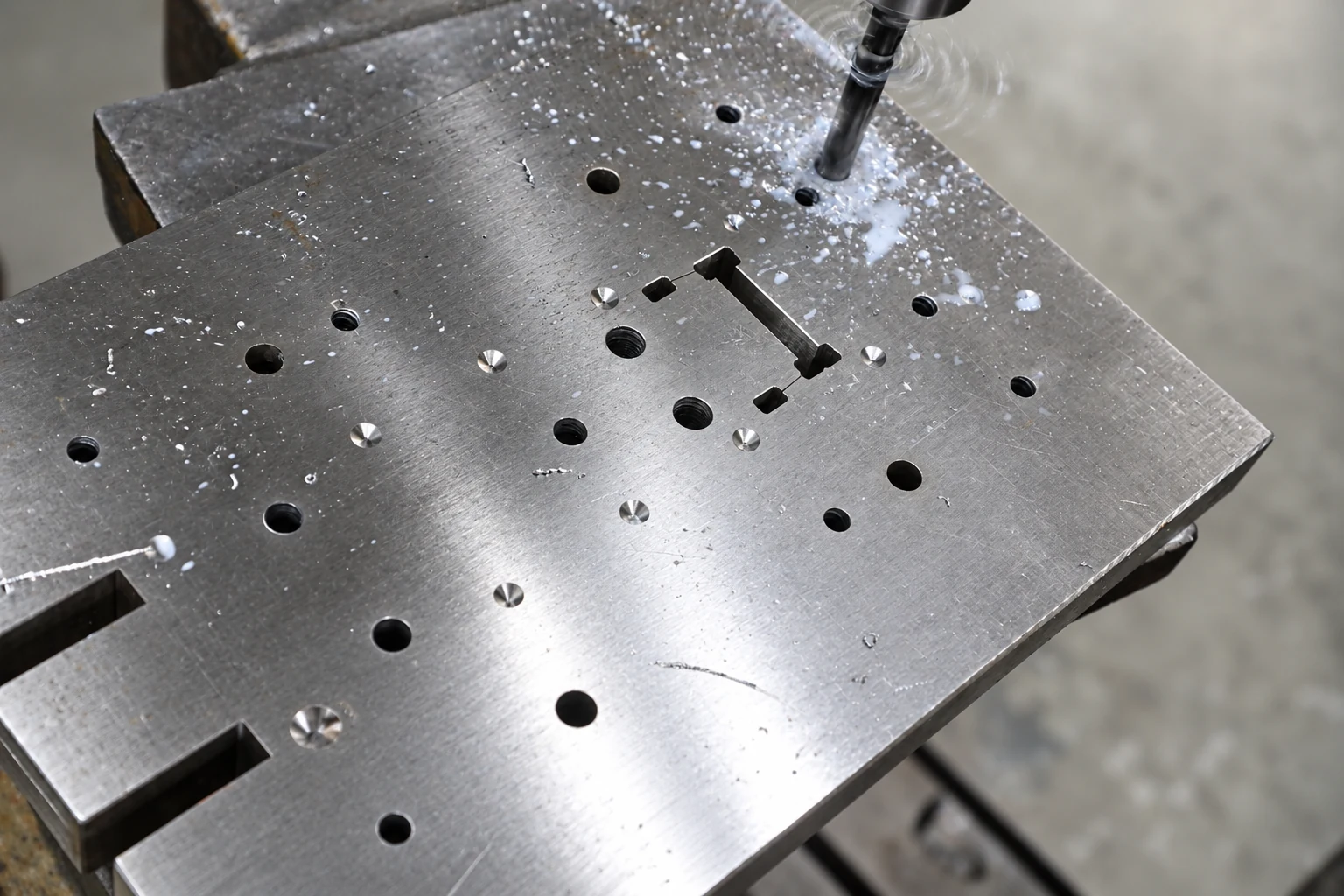
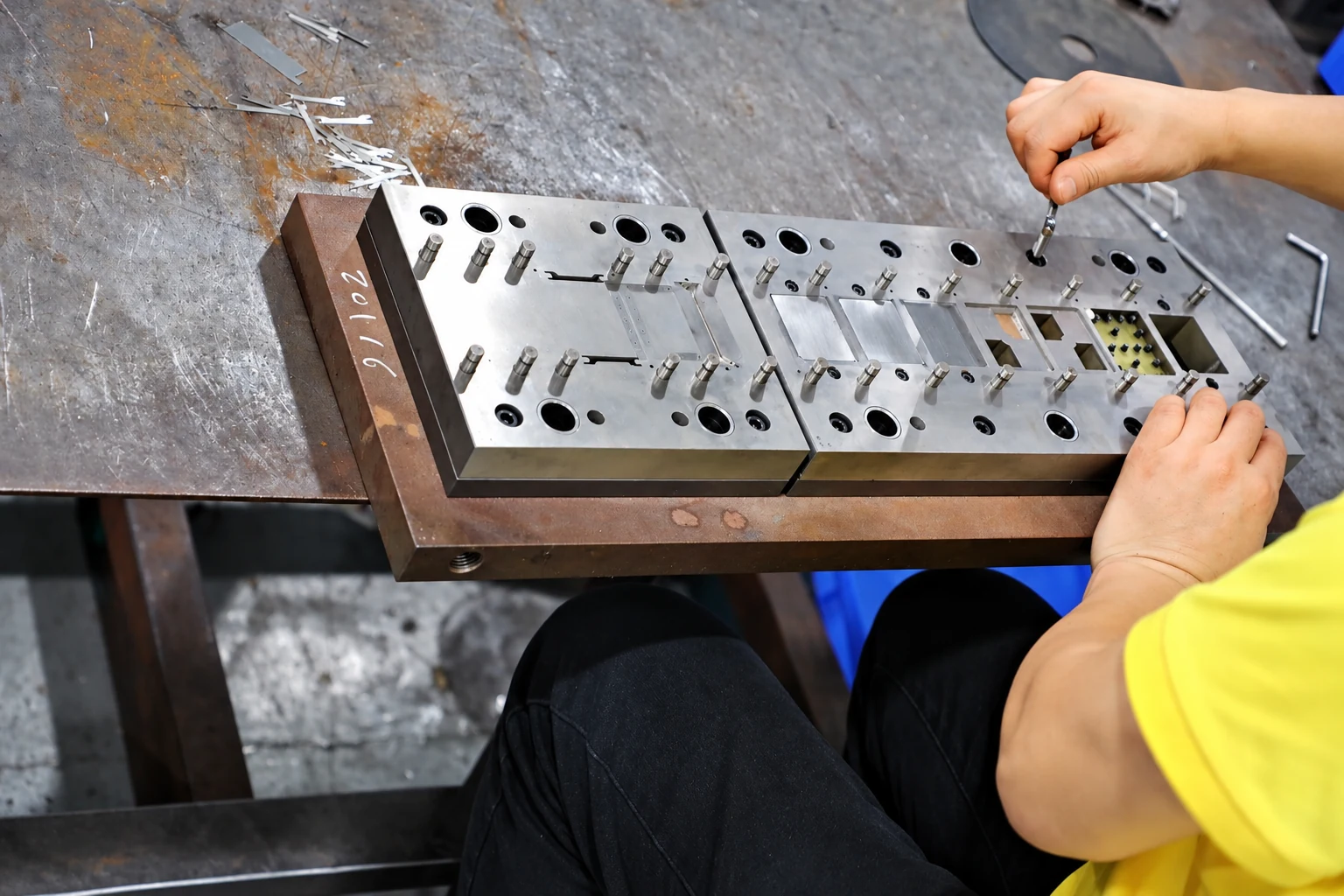
Ruishuo connects in-house die design and CAD/CAM simulation with stamping, finishing and final inspection. Manufacturability review considers the structure, material and forming requirements. Paid samples include a full dimensional inspection report.
The attachment edge of a one-piece body, the engagement detail of a removable lid and the partitions in a multi-cavity shield have different forming priorities. Review each against its drawing datums.
The dimensional report checks the drawing; the matching PCB, frame or lid checks installation and fit. Define acceptance for each assessment rather than using one as a substitute for the other.
Changes to material, thickness, openings or engagement details may affect the tooling and mating parts. Discuss tooling charges, modifications and maintenance arrangements within the project scope.
DFM feedback within 24 hours
Management Systems & Test Documents
Enlarge the supplied certificates and test documents. Their scope should be checked against the material and requirements of your project.
Quality management system certificate.
Environmental management system certificate.
First page of the supplied test report.
First page of the supplied substance screening report.
Paid Samples & Project Planning
Define what the sample needs to demonstrate. Sample-stage timing and volume production delivery are reviewed separately.
Paid samples made to the agreed drawing and sample scope.
Availability is reviewed against the structure, process and sample requirements.
A sample-stage schedule for projects requiring tooling; volume delivery is separate.
Delivery is reviewed after the drawing, sample, quantity and packaging requirements are confirmed.
Engineering Resources
Prepare a clearer manufacturing brief with practical guidance on drawings, materials and validation.
Define the mounting interface, critical dimensions and mating-part revision as one connected requirement.
Read the Drawing Checklist →Review the base metal, material condition, connection method and final mating surfaces together.
Review Material Inputs →Give part inspection and system validation their own methods, conditions and acceptance criteria.
Explore Quality Support →Talk to Ruishuo Engineering
Share the drawing revision, material, quantity and critical assembly requirements.